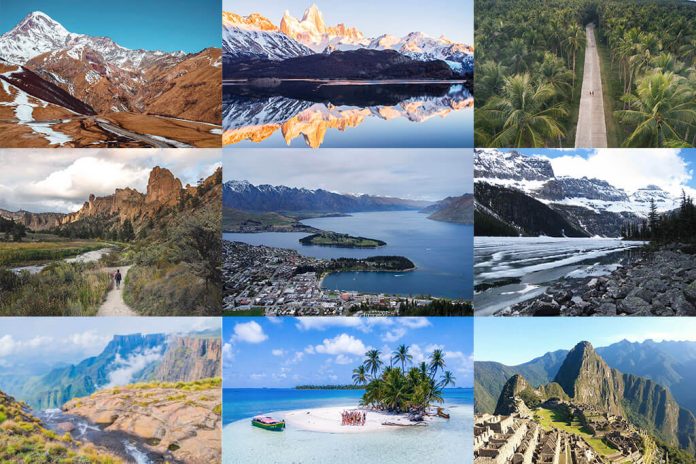
Adventure travel has an image problem. The word ‘adventure’ conjures up images of ultra-athletes scaling Everest or free-divers dropping to terrifying depths. And if that’s not you — if you’ve never camped before, if your fitness is average, if you’re not sure you’d even survive a day without a hot shower — it’s easy to think adventure travel isn’t for you.
It absolutely is. Adventure travel just means going somewhere unfamiliar and pushing yourself a little beyond your comfort zone. How far beyond that zone is entirely up to you. In 2026, beginner-friendly adventure travel is booming, with more guided options, better safety infrastructure, and a wider range of difficulty levels than ever before.
Here’s where to start — and how.
What Counts as ‘Adventure Travel’ for Beginners?
For the purposes of this guide, adventure travel means any trip that includes at least one activity with a physical, emotional, or environmental challenge. That could be a moderate day hike. A beginner white-water rafting run. Snorkeling for the first time. A multi-day cycling route with support vans. An overnight camping trip in a national park.
You don’t need previous experience. You don’t need expensive gear. What you need is a moderate level of fitness, a willingness to be slightly uncomfortable, and the right destination for your starting point.
The Best Beginner Adventure Destinations in 2026
- Costa Rica — The Classic for Good Reason
Costa Rica remains the single best all-around beginner adventure destination in the world, and that hasn’t changed in 2026. The adventure infrastructure here is exceptional. You have zip-lining through cloud forests, beginner white-water rafting on the Pacuare River, wildlife-watching in Tortuguero, volcano hiking around Arenal, and world-class surfing lessons on the Nicoya Peninsula.
What makes it perfect for beginners is the density of options in a small country. You can do three completely different adventures in a week without covering massive distances. Safety standards are high, guides are well-trained, and English is widely spoken in tourist areas.
💡 Pro Tip: The best beginner adventure combo: two nights near Arenal for hiking and hot springs, then three nights in Manuel Antonio for beach and wildlife, finishing with a surfing lesson at Dominical.
- Nepal — Trekking Without the Extreme
Nepal immediately sounds intimidating. Everest. Altitude. Remote mountains. But the reality for a beginner is completely different. The Annapurna Circuit and the classic routes around the Everest foothills offer tea house trekking — meaning you hike during the day and sleep in comfortable guesthouses at night, with warm meals waiting.
You don’t need a tent, sleeping bag, or technical gear for most popular routes. The trails are well-marked, acclimatization days are built into standard itineraries, and local guides are affordable and exceptional. The Poon Hill trek — three to four days, moderate difficulty, stunning Himalayan views — is one of the great beginner treks on earth.
- New Zealand’s South Island — Organized Adventure at Its Best
Queenstown has rightfully earned its reputation as the adventure capital of the world, but what makes it beginner-friendly is the extraordinary level of organization around every activity. Bungee jumping, skydiving, jet boating, white-water rafting, glacier hiking — every single one has multiple difficulty levels, professional operators, and safety records you can verify.
Beyond Queenstown, the Milford Track, Abel Tasman Coastal Walk, and the Tongariro Alpine Crossing offer hiking experiences that range from easy to challenging, all with well-maintained trails and huts. New Zealand is expensive, but the quality and safety of the adventure experience justifies it for beginners who want to start on solid footing.
- Slovenia — Europe’s Hidden Adventure Gem
Slovenia is having its moment in 2026, and deservedly so. This small Central European country packs an almost absurd amount of adventure potential into its borders. The Soča River is one of the most beautiful rivers in Europe for beginner kayaking and rafting. Lake Bled and the Julian Alps offer world-class hiking with stunning scenery. The Škocjan Caves are among the world’s most dramatic underground experiences.
The advantage for beginners is that Slovenia is small, easy to navigate, and much less crowded than destinations like Croatia or Austria. It’s also surprisingly affordable for a European country. The adventure infrastructure, particularly around Bovec in the Soča Valley, is professional and well-organized.
- Morocco — Desert Adventure for First-Timers
A camel trek into the Sahara at sunset sounds impossibly romantic, and it is — but it’s also completely accessible to beginners. Standard desert trips from Marrakech or Fes involve a day’s drive to Merzouga, a camel ride to a desert camp, and a night sleeping under the stars. No experience required. No equipment needed.
Beyond the desert, Morocco offers hiking in the Atlas Mountains (Mt. Toubkal is the highest peak in North Africa and genuinely doable for fit beginners with a guide), surfing at Taghazout, and cycling routes through the countryside. The cultural adventure layer — navigating medinas, learning to bargain, eating from street stalls — adds another dimension that many adventure travelers underestimate.
- Colombia — The Rising Star of Adventure Travel
Colombia’s safety situation has transformed dramatically over the past decade, and in 2026 it’s firmly established as one of South America’s most exciting adventure destinations. The diversity is extraordinary: Caribbean beaches, Amazon jungle, coffee highlands, Andean peaks, and Pacific coast surf all within one country.
For beginners, the coffee region around Salento offers gentle hiking and incredible scenery. The Ciudad Perdida trek in the Sierra Nevada is challenging but achievable for fit beginners over four to five days with a guide. Cartagena’s offshore islands offer beginner diving and snorkeling, and the surfing around Nuquí on the Pacific coast is uncrowded and world-class.
How to Prepare for Your First Adventure Trip
Six Weeks Before: Base Fitness
You don’t need to be a marathon runner, but most adventure activities require a foundation of cardiovascular fitness. Start walking 45 minutes daily if you aren’t already. Add two to three strength sessions per week focusing on legs and core. If you’re planning a trek, start hiking on weekends with progressively heavier packs.
One Month Before: Gear Research
Good boots matter more than almost any other single piece of equipment. If your trip involves significant hiking, invest in properly fitted boots and break them in before you travel. For most other beginner adventures, you’ll rent or borrow equipment on location — don’t buy expensive gear you might only use once.
Two Weeks Before: Research Your Operators
Not all adventure operators are equal. Check reviews specifically for safety incidents and guide quality. Look for operators that have been running for at least five years, carry the appropriate local licenses, and have English-speaking guides if that’s important to you. In countries like Nepal and Costa Rica, this research is especially important.
On the Ground: Trust Your Guide
This sounds obvious, but it’s the advice most beginners ignore. Your guide has done this route hundreds of times. When they say ‘this section is harder than it looks,’ believe them. When they say ‘the weather is turning, we should head back,’ don’t argue. The adventure ego — the desire to push further than you should — is responsible for most beginner accidents. Leave it at home.
Common Beginner Adventure Travel Mistakes
Overestimating fitness level is the most common. If you haven’t exercised regularly in the past six months, book a moderate route, not a challenging one. You can always upgrade; you can’t upgrade once you’re halfway up a mountain and exhausted.
Underpacking water is dangerous at altitude or in heat. Drink before you feel thirsty. By the time thirst kicks in, mild dehydration is already affecting your judgment.
Skipping travel insurance is a mistake that costs some people everything. Medical evacuation from remote areas can cost tens of thousands of dollars. Adventure-specific travel insurance is not optional.
The Unexpected Reward of Beginner Adventure Travel
Here’s what nobody tells you before your first adventure trip: the physical challenge is almost never the hardest part. The hardest part is the mental negotiation with yourself in the moment when you want to stop but you’re not actually in danger. Learning to distinguish between ‘I’m uncomfortable’ and ‘I’m at risk’ is one of the most valuable skills you’ll ever develop, and adventure travel teaches it faster than almost anything else.
The summit view, the rapids, the first night in a tent under a sky full of stars — none of it feels earned unless you pushed through something to get there. That’s the gift adventure travel gives beginners: the direct experience of being more capable than you thought you were.
Start anywhere on this list. Start with one activity. And see where it takes you.
