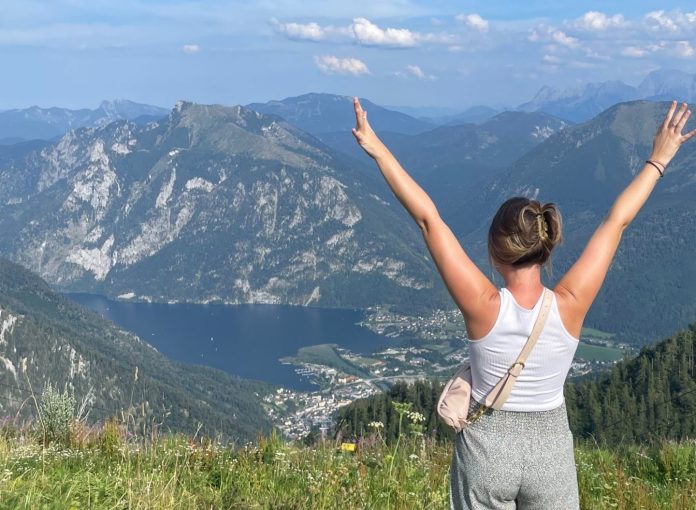
In 2026, ‘women solo travel’ just reached a 15-year search high. There’s a reason for that. Solo travel as a woman has become more accessible, safer with the right knowledge and preparation, and increasingly recognized as one of the most genuinely life-changing things you can do for yourself.
But a lot of the guides out there are either too cautionary — written from a place of fear, making you feel like the world is a waiting disaster — or too breezy, glossing over the real challenges that solo female travelers face. This guide tries to be neither. It’s honest about what’s difficult, practical about safety, and clear about how transformative solo travel can be when you approach it with both eyes open.
Why Solo Travel for Women Is Worth It
There’s a specific kind of confidence that comes from successfully navigating an unfamiliar city alone, dealing with a missed connection, finding your way to a guesthouse in a place where nobody speaks your language. You cannot acquire that confidence any other way. It doesn’t come from reading about it, from traveling with a partner who handles the logistics, or from watching other women do it.
It comes from being the only person responsible for your situation, making decisions, having some of them go wrong, and figuring it out anyway. Solo travel for women is, among other things, the fastest confidence-building experience available to adults.
How to Choose Your First Solo Destination
The Solo-Friendly Criteria
For a first solo trip, prioritize destinations with strong solo travel infrastructure — meaning hostels with social common areas, clear public transport, English widely spoken, and a track record of female solo travelers. This isn’t permanent. As your solo travel experience grows, you’ll be comfortable in more complex destinations. But start somewhere that’s set up to support solo travelers.
Best First Solo Travel Destinations for Women in 2026
Japan remains the gold standard for solo female travel. It is extraordinarily safe, meticulously organized, and has a culture that leaves you alone without making you feel unwelcome. Single women eating alone, traveling alone, and exploring alone is completely normal here.
Portugal — specifically Lisbon and Porto — is excellent for first-time solo travelers. The cities are compact and walkable, the hostel scene has matured into genuinely excellent social experiences, and the culture is warm and relaxed.
New Zealand is ideal if you want outdoor adventure solo. The combination of incredible natural beauty, excellent infrastructure, and genuine friendliness toward solo travelers makes it one of the most rewarding first solo destinations available.
Colombia, particularly Medellín and Cartagena, has transformed its safety situation dramatically and now has a thriving solo travel community with well-developed hostel infrastructure and easily organized day trips and activities.
💡 Pro Tip: Search ‘solo female travel + [destination]’ on Reddit’s r/solotravel and r/femalefashionadvice communities before booking. Real, recent, first-person accounts from other women travelers are more useful than any guidebook.
Safety: The Honest Conversation
Risk Is Real, But Manageable
Solo female travelers do face specific challenges that solo male travelers don’t, particularly around unwanted attention and harassment. Acknowledging this isn’t alarmism — it’s preparation. The goal is to make smart choices that dramatically reduce your risk exposure without restricting your experience to the point where you’re not actually traveling freely.
The Core Safety Principles
Stay connected. Share your itinerary with one person at home before you travel, and check in with them at regular intervals. This doesn’t need to be constant communication — a daily text saying ‘arrived at X, all good’ is sufficient.
Trust your instincts. Your body has evolved sophisticated threat-detection systems. If something feels wrong — a situation, a person, a neighborhood — don’t rationalize it away. Leave. You can analyze whether your instinct was correct afterward, from somewhere safe.
Stay sober enough to make good decisions. This isn’t a morality lecture. It’s practical advice. The highest-risk situations for solo female travelers involve alcohol. Know your limits and stay inside them, especially in unfamiliar environments.
Avoid walking alone at night in unfamiliar areas. In most destinations, this means using ride-share apps (Uber is available in most major cities worldwide) or taxis at night rather than walking or using public transport in areas you don’t know well.
Accommodation Safety
Book your first night’s accommodation before you arrive, even if you prefer flexibility afterward. Arriving somewhere tired and disoriented without a plan is a vulnerability. For accommodation safety, read recent reviews specifically for any mentions of security issues, poorly lit areas, or staff conduct. Hostels in tourist areas have strong financial incentives to maintain good reputations — they’re often more reliably safe than cheap hotels.
The Social Side of Solo Travel
You Are Not Going to Be Lonely
This is the fear most first-time solo female travelers have, and it almost never materializes. Solo travelers are among the most sociable people in the world, specifically because they’re all looking for connection. At a hostel common area, a cooking class, a free walking tour, or even a local café, the ease of meeting people as a solo traveler is extraordinary compared to what you’d experience traveling with a partner.
How to Meet People Naturally
Stay in social accommodation for at least part of your trip. Hostel common areas, particularly in the evening, are where solo travel friendships form. You don’t have to sleep in dorms — many hostels have private rooms — but use the common areas.
Join organized activities: free walking tours, day hikes, cooking classes, wine tastings, surf lessons. These create a natural social structure where meeting people isn’t awkward because you’re already doing something together.
Say yes to invitations from fellow travelers for the first three days. After that, you’ll have developed enough social context to be selective. In the first few days, a ‘yes’ policy almost always leads to good things.
Practical Solo Travel Tips for Women
Pack a Door Stopper
A rubber door stopper weighs almost nothing and provides significant additional security for accommodation doors that lock poorly. In budget guesthouses or anywhere you’re unsure of door security, wedge it under the door at night. It’s one of the highest value-to-weight-ratio items you can pack.
Keep a Decoy Wallet
A small wallet with a small amount of cash and an expired card. If you’re in a situation where handing over your wallet seems like the fastest path to safety, having a decoy means you’re not handing over your real cards and ID. This is a standard practice among experienced solo travelers.
Learn Key Phrases in the Local Language
‘No thank you’ / ‘I’m not interested’ / ‘Please leave me alone’ delivered confidently in the local language is significantly more effective than the same phrase in English. It also signals that you’re not a fresh tourist who can be easily taken advantage of.
Download Offline Maps Before You Arrive
Being seen looking at your phone trying to figure out where you are is both a security vulnerability and an easy way to walk confidently in the wrong direction. Download Google Maps offline for your destination areas. When you need to check your location, step into a café or shop first.
The Transformation That Happens
Something changes on a solo trip that doesn’t change any other way. The first time you successfully navigate a twelve-hour journey in a country where you don’t speak the language and arrive safely at your destination, having solved every problem that came up along the way — something settles in you that wasn’t there before.
You stop asking whether you can handle things and start assuming you can until proven otherwise. That assumption — that default confidence in your own resourcefulness — doesn’t stay on the trip. You bring it home. It changes how you approach problems at work, in relationships, in every context where you’d previously hesitated.
Solo travel doesn’t fix everything. But for the specific problem of not fully trusting yourself, it’s extraordinarily effective medicine.
