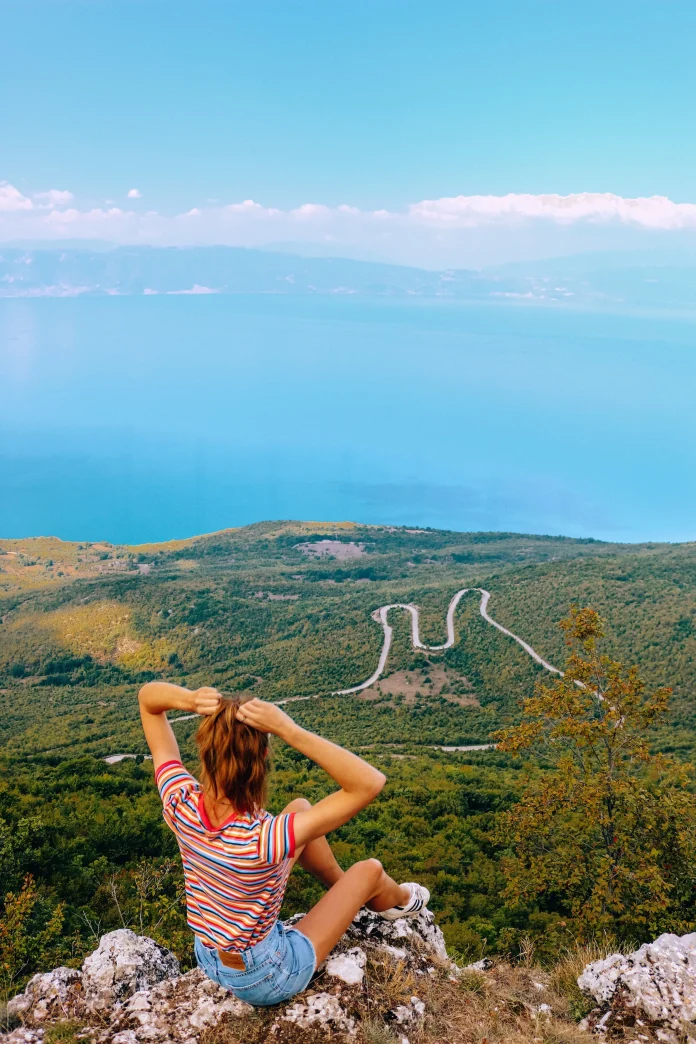
The first solo trip is the hardest one to book. Not because of the logistics — those you can figure out. It’s harder because of the voice that keeps asking what happens if something goes wrong, if you get lonely, if you make the wrong decisions without someone there to weigh in. That voice is normal. It doesn’t mean you shouldn’t go. It means you’re about to do something that matters.
Here’s what nobody tells you before the first solo trip: the self-reliance you build in those weeks changes you in ways that outlast the trip itself. This guide covers everything practical — but it’ll also be honest about the emotional parts, because those matter too.
Choose Your First Destination Carefully
Your first solo destination should be somewhere that doesn’t require a lot of troubleshooting. That means: a country where English is widely spoken or where language barriers are manageable, a stable safety situation, good public transport (so you’re not dependent on taxis or rideshares you’re unsure about), and a culture that’s relatively welcoming to solo travelers. Top consistent recommendations include Japan (exceptionally safe, excellent transit, extraordinarily helpful people), Portugal (welcoming, walkable, English widely spoken), New Zealand (English-speaking, safe, outstanding for solo adventure travel), and Thailand (huge solo traveler community, low costs, incredible food and culture).
Tell People Where You’re Going
Before you leave, send your itinerary to at least two people at home — including flight details, accommodation names and addresses, and a rough daily plan. Agree on a check-in schedule (‘I’ll message every two days, if you don’t hear from me by X time, here’s what to do’). This isn’t about worst-case thinking; it’s about having a safety net that lets you relax. Knowing that someone knows where you are is one of the things that makes solo travel feel freeing rather than precarious.
Book Your First Night in Advance — Always
You can be spontaneous with the rest of the trip, but always have confirmed accommodation for your first night. Arriving somewhere new, often after a long flight, tired and possibly jet-lagged, is not the moment to figure out where you’re staying. Having a confirmed address to go to — ideally one that’s reviewed as easy to find and welcoming to arrivals at odd hours — removes one significant stress from an already high-stimulation arrival experience.
The Money Reality of Solo Travel
Solo travel is almost always more expensive per person than couple or group travel, because you’re not splitting accommodation costs. Accept this early and budget accordingly. Strategies that help: stay in hostels (even if you’ve never used them — many have private rooms, and the social infrastructure is genuinely valuable for solo travelers), cook some of your meals, use public transport consistently, and look for destinations where the absolute cost is low enough that the solo premium doesn’t hurt much. Southeast Asia, Eastern Europe, and Central America all offer extraordinary experiences at costs that make solo travel financially manageable.
Safety: The Real Advice (Not the Patronizing Kind)
Trust your instincts before they fully form. If a situation feels slightly off before you can articulate why, pay attention to that feeling — don’t override it with politeness or second-guessing. Keep a photo of your passport on your phone. Don’t get dramatically intoxicated in a place where you don’t yet know the dynamics. Let your accommodation know if you’re going somewhere remote. Use rideshares with visible driver information rather than unmarked taxis in unfamiliar cities. Don’t walk around looking confused while holding your phone up — step into a café or shop if you need to reorient. These aren’t dramatic precautions; they’re just good habits.
Dealing with Loneliness (Yes, It Happens)
Solo travel is not uniformly exhilarating. There will be moments — usually at dinner in a beautiful restaurant, or watching a spectacular sunset — when you wish someone was there with you. This is normal and temporary. Strategies that genuinely help: stay in social accommodation (hostels or guesthouses with common areas), take group tours or activities where you naturally meet people, join organized day trips, eat at counters or communal tables rather than isolated tables-for-one. The friendships that form on solo trips are often surprisingly deep — you’re both equally unattached and looking for connection, which accelerates things considerably.
The Freedom That Makes All of It Worth It
Here’s what nobody fully captures until they’ve experienced it: the freedom of solo travel is different in kind, not just in degree, from other kinds of freedom. You answer to no schedule but your own. You follow whatever catches your interest without negotiating. You have the full experience of your own mind in an unfamiliar place, which is one of the most clarifying things you can do. You come home knowing yourself slightly better than when you left. That’s the thing people who travel solo keep going back for.
